

Why the Ford DL3Z-7A095-B Oil Cooler Assembly Should Be Part of Every Preventive Maintenance Plan

Powertrain Reliability Starts with the Right Oil Temperature
Every Ford engine, from the hardworking 2011 F-150 to the family-hauling Expedition or the delivery-focused Transit, is designed for performance. But performance means heat, and heat requires control. That’s why one of the most overlooked yet essential components in your vehicle’s engine is the oil cooler. Specifically, the DL3Z-7A095-B Oil Cooler Assembly plays a vital role in your powertrain’s health and should be considered a key part of any preventive maintenance plan.
This OEM component isn’t just a repair part. It’s an insurance policy against the long-term effects of thermal stress, oil breakdown, and pressure inconsistency. When it’s time to replace or inspect your oil cooler, there’s only one option that guarantees a factory fit, engineered compatibility, and Ford-validated performance: the genuine DL3Z-7A095-B.
Built for Heat Management in Ford's Most Demanding Platforms
The DL3Z-7A095-B isn’t a universal fit, and that’s exactly the point. Ford engineered this part for vehicles with specific powertrain needs, including:
2011–2014 Ford F-150
2011–2014 Ford Expedition
2011–2014 Lincoln Navigator
2015–2019 Ford Transit (compatible engines only)
Each of these vehicles has a unique use case. Some tow thousands of pounds. Others idle in traffic day after day. Some face extreme cold or desert heat. The oil cooler installed from the factory, and the one you choose as a replacement, needs to be capable of handling that full range of conditions. That’s why Ford didn’t outsource this part to aftermarket suppliers. The DL3Z-7A095-B is tested to the same durability standards as your engine, because it supports the engine directly.
How This Oil Cooler Prevents Engine Stress
Oil’s job is to lubricate, cool, and clean your engine. But oil only works well within a specific temperature and pressure range. When oil overheats, it breaks down. When pressure fluctuates, seals can fail and bearings can starve. The oil cooler regulates both, keeping oil flowing properly through every channel of your engine.
This assembly includes:
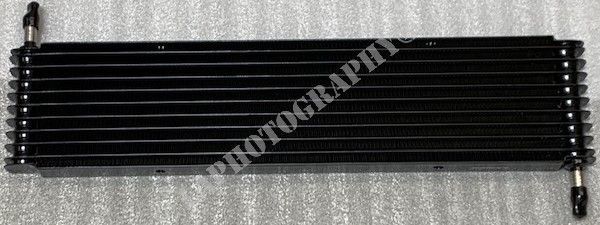
A multi-plate internal cooler core designed for rapid thermal exchange
Direct oil routing compatible with OEM flow rates and pressure limits
Premium aluminum housing to resist corrosion and handle thermal cycling
OEM-spec gaskets that maintain sealing strength under vibration
When everything works in sync, your vehicle maintains consistent performance, even under heavy loads or long trips. But when an oil cooler begins to fail, that performance can quickly degrade, and the engine itself can be put at risk.
Warning Signs That It’s Time to Replace
Like many other components in the lubrication and cooling system, the oil cooler won’t always fail dramatically. You might not see a warning light or an obvious leak right away. But your vehicle will often give subtle signals that this part is wearing out. These include:
An unexplained increase in oil temperature, especially during towing or hill climbs
Intermittent or sustained drops in oil pressure readings
Small leaks or oil residue around the cooler housing
Oil found in the coolant reservoir (or vice versa)
Engine overheating under moderate driving conditions
If you’re seeing any of these signs in your F-150, Navigator, or Transit, it’s time to inspect the oil cooler. And when you’re ready to replace it, only the genuine DL3Z-7A095-B will ensure the thermal system is restored to OEM spec.
OEM Engineering You Can Rely On
It’s easy to think of parts like the oil cooler as “background components.” They don’t show up on dashboards or generate horsepower, but they’re what allow everything else to work at peak performance. That’s why Ford engineers didn’t just design the DL3Z-7A095-B for fitment, they built it for functional harmony with the rest of your engine.
The oil cooler assembly must align with:
Your vehicle’s oil routing architecture
The thermal characteristics of your engine platform
The space constraints of modern engine compartments
Long-term material durability in high-heat and high-pressure zones
OEM validation for this part included thermal simulation, leak-down testing, and extended road trials. Aftermarket alternatives may mimic the shape, but they rarely match the standards, and even a minor mismatch in oil port sizing or gasket seal quality can create massive problems over time.
Why Preventive Maintenance Should Include the DL3Z-7A095-B
Replacing your oil cooler isn’t just a reactive fix when something fails, it can be a smart preventive move, especially for high-mileage vehicles or commercial applications. If you:
Regularly tow with your Ford
Drive in hot climates or stop-and-go traffic
Use your Transit or Navigator for fleet or rideshare services
Want to extend the lifespan of your engine without surprises
...then preemptively replacing the oil cooler can give you peace of mind and protect the long-term integrity of your oiling system. Many fleet managers consider this part a standard replacement item between 100,000–150,000 miles, well before failure symptoms arise.
Don’t Let Aftermarket Parts Undermine Your System
There’s no shortage of aftermarket oil coolers online. And while some may offer cost savings upfront, they often come with hidden compromises. Poor weld quality, lower aluminum grade, or improper gasket sizing can all reduce performance and lead to failure. Common issues with non-OEM coolers include:
Internal blockage or poor oil flow
Rapid gasket deterioration
Incorrect port locations
Cracked housings under thermal cycling
Poor mounting alignment, causing oil line stress
When you’re dealing with a component this essential, the smart move is to stick with what your engine was built around. And that means choosing the DL3Z-7A095-B every time.
Installation Tips for a Clean, Confident Repair
Swapping in your new oil cooler can be done at home with the right tools and a bit of care. Here are a few tips that help ensure the best results:
Fully drain and flush the oil system before beginning
Inspect mounting surfaces and remove any gasket residue
Use all new gaskets and follow Ford’s torque specs
Confirm oil line condition and replace if worn or brittle
Prime the oil system before initial engine start
If you're working with a mechanic, request that they use a genuine Ford part from a certified source. That simple step could add thousands of trouble-free miles to your engine's life.
No matter what you drive or what you’re fixing, Lasco Auto Parts has the genuine Ford OEM parts and accessories you need to get the job done right. From replacement components to performance upgrades, we offer factory-backed quality you can trust. Need help finding the right fit? Text us at 833-443-1263 and our team will be happy to assist. Shop online today and keep your Ford running strong with parts made to match.
Special Offer!
dl3z-7a095-b Ford Genuine Oil Cooler Assembly OE STAMP # DL3V7A095BA
 Ford
Ford